The European Commission has launched an investigation, by Implementing Regulation (EU) 2026/1925, into the possible circumvention of the existing anti-dumping measures against so-called open mesh glass fibre fabrics (Open Mesh Fabrics, OMF). Imports from North Macedonia, Serbia, Moldova and Kosovo are affected.
The background is the suspicion that the anti-dumping duties protecting the European economy against unfair competition are being circumvented by companies based in these countries, with Chinese glass fibre products reaching the European Union via these countries. The EU Commission refers, among other things, to changes in trade flows and to indications that dumped glass fibre yarns and rovings of Chinese origin are predominantly used in the manufacture of the products under investigation.
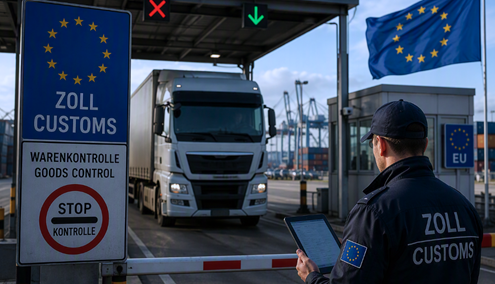
Since the entry into force of the Regulation, all affected imports have been subject to customs registration. Imports remain possible, but registration creates the basis for the subsequent retroactive imposition of anti-dumping duties.
Should the investigation confirm the suspicion of circumvention, the anti-dumping duties of 48.4% to 62.9% already applicable to Chinese goods could be applied retroactively to registered imports from the four countries. This creates significant financial risks for importers and traders.
Regardless of the outcome of the proceedings, current developments show how important supply chain transparency, proof of origin, local value creation and compliance have become for European industry. For many companies, these factors are now essential criteria of a secure procurement strategy.
As a European manufacturer of open mesh glass fibre fabrics, KAST is closely following the development of the proceedings. For more than 66 years, we have stood for quality, reliability and long-term partnerships. Fair competitive conditions, traceable supply chains and strong European value creation are important prerequisites for industrial development in Europe.
The investigation serves to protect fair conditions of competition within the European Union and to ensure that existing trade defence measures achieve their intended effect.
Legal basis: Commission Implementing Regulation (EU) 2026/1925 of 6 August 2026.
Featured
29 September 2026